

At the University of California, Santa Cruz, ShapesXR supports Creative Design in Virtual Reality, an undergraduate course open to multidisciplinary students. By enabling VR-native prototyping without programming, ShapesXR keeps the focus on creative, human-centered design and collaboration. Students use it to build interactive spaces and complete VR applications within a single academic quarter, while educators benefit from an accessible tool that supports experiential learning and transferable design skills.
Read the journal paper about this class, published by the American Society for Engineering Education.
The University of California, Santa Cruz is a public R1 university located in Santa Cruz, California and part of the University of California system. Within its School of Engineering, UCSC offers a course titled Creative Design in Virtual Reality, which is open to any undergraduate student without prerequisite knowledge or cost. As far as the teaching team’s research has shown, this is the only course of its kind in the UC system without a long prerequisite chain and explicitly open to multidisciplinary students.
It is part of UCSC’s Lead By Design program, where undergraduate student teams design and create more accessible and experiential Design-Build curricula for early-career students. Creative Design in VR was designed to address burnout, gatekeeping, and monotony associated with large classrooms by combining active learning with emerging technology, specifically virtual reality.
The course positions Creative Design of VR applications as a way for early-career undergraduates to explore the engineering design cycle in a collaborative and experiential learning environment. The focus is on creative and human-centred software development rather than a purely technical lens, supporting skills such as critical thinking, adaptability, teamwork, and iterative problem solving that are transferable to any career.
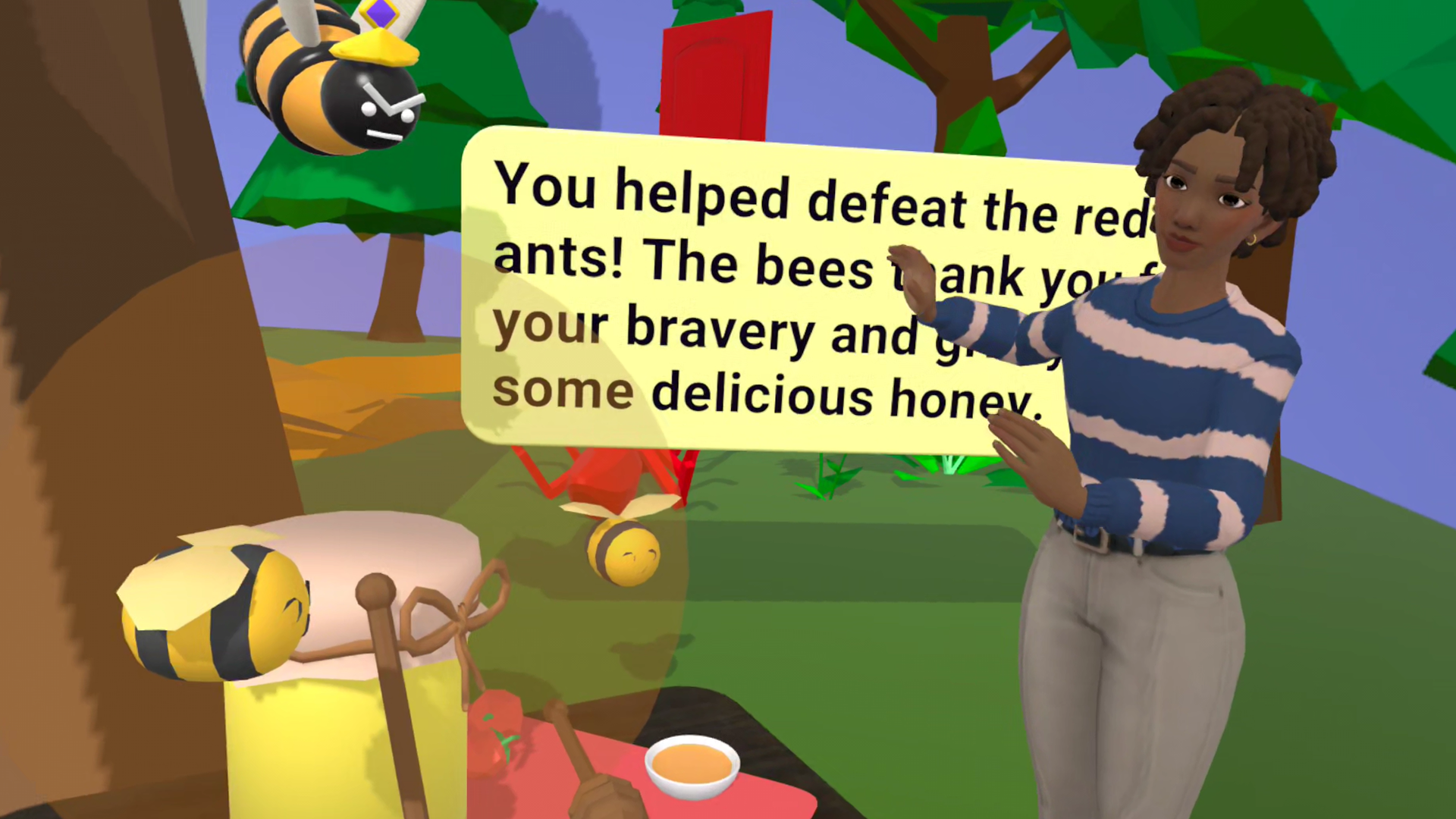
"Pokemon Battle" by William Rubio, Enchi Huang:
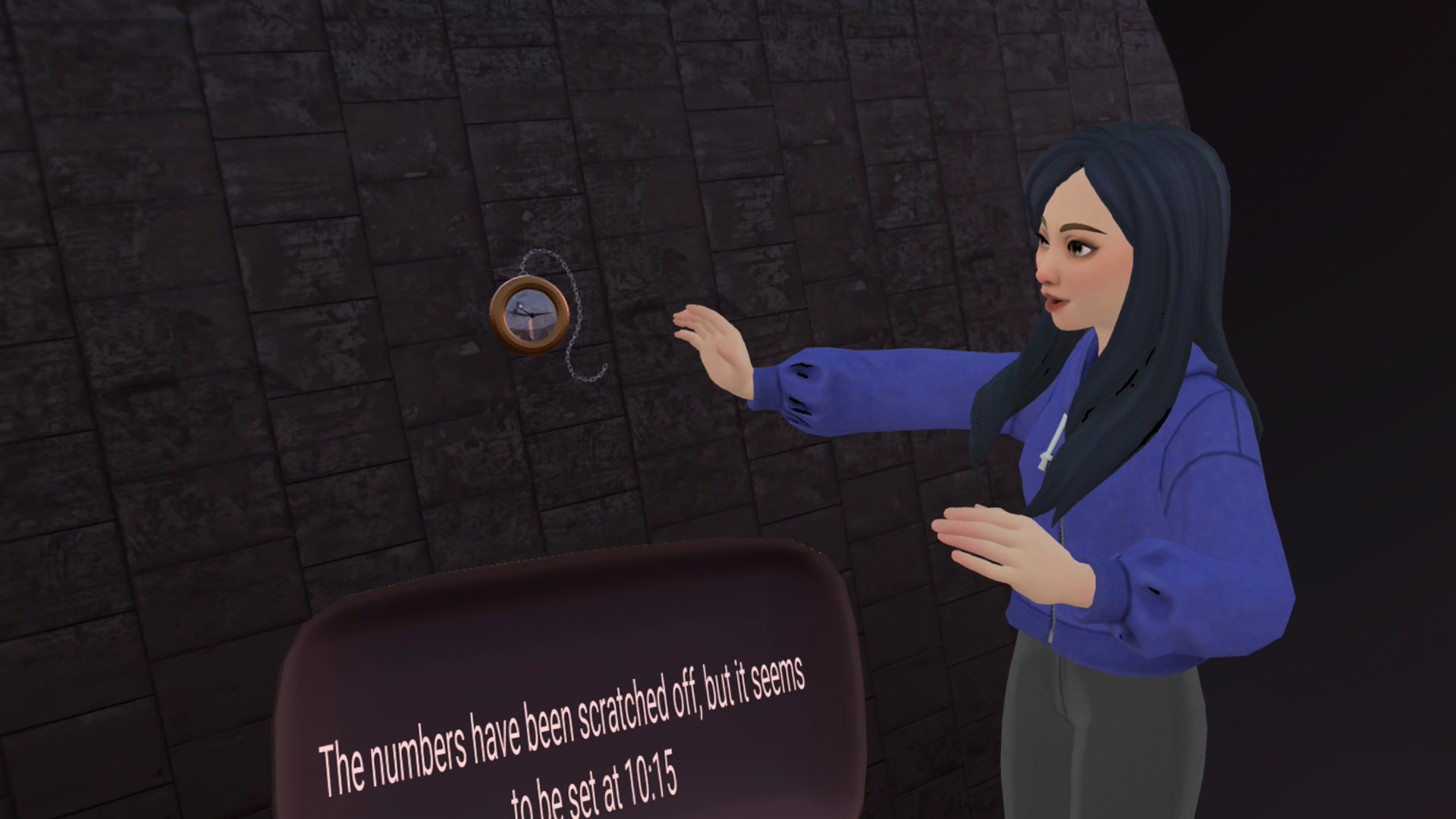
"Escape Room" by Penelope Cho, Manvir Buttar:
ShapesXR was selected because it allows students to design spaces in virtual reality without relying on programming skills. This enables the class to remain focused on creative design, modelling, and user experience, while maintaining a multidisciplinary and collaborative environment. Using ShapesXR, all students have been able to create a functional VR application prototype within a ten-week course, regardless of their background. The tool is introduced through built-in tutorials that students follow at their own pace, allowing them to begin creating within a single class period.
ShapesXR is used across several core assignments, including designing an interactive dream balcony, creating gallery showrooms to curate artwork built in Blender, collaboratively imitating scenes from existing games, and developing a team-built final VR application, where students propose their project topic within defined requirements for lighting, UI, scenes, and assets. Collaboration features played a central role, with students working together in VR to co-create, tour, and critique each other’s work. One notable project involved stitching together individual student gallery spaces into a shared immersive art gallery, allowing learners to freely explore and experience each other’s curated art installations while in VR.
Accessibility is also a key factor. ShapesXR’s browser-based functionality allows students to work outside of VR when needed, supporting those who were more comfortable working on desktop or who experienced discomfort during extended VR sessions.
"Tini-venture" by Jesus Barrios, Maya Morrow:
"Slug Life" by Deniz Yaralioglu, Julia Sather:
“We need to let students experiment with the technology of today. ShapesXR helped us tear down the cost and prerequisite barriers that keep so many people out. This class started as a proposal and a vision from our student teaching team, and seeing it grow into something that keeps more students excited about VR work is exactly what we set out to do.” — Samantha Wang, Student Instructor

“ShapesXR allowed us to build and teach a class around VR design, enabling students to create and prototype their application ideas without any prior exposure.” — Deniz Yaralioglu, Student Instructor

ShapesXR is the foundation for Creative Design in VR, providing a prototyping tool that is accessible to early learners with no prior VR or programming experience. For students, it makes VR app prototyping achievable within a single academic quarter, supporting learning outcomes such as safe headset use, UX analysis in VR, 3D modeling, storyboarding, prototyping, peer testing, and iterative design. The ability to see ideas built out around them in VR transformed abstract concepts into tangible experiences and encouraged active creation rather than passive consumption.
For educators, ShapesXR offers a low learning curve with a high ceiling, making it possible to teach VR app design in a hands-on and inclusive way. The ability to import external assets from tools like Blender allows the curriculum to connect creative modelling with immersive prototyping, reinforcing learning across disciplines. While students frequently reached the limits of standalone devices, working through these constraints became part of the learning process, reinforcing optimization, adaptability, and problem solving.
Overall, ShapesXR proved to be a strong fit for UCSC’s Creative Design in Virtual Reality course. It continues to support accessible, collaborative, and experiential learning, enabling multidisciplinary students to engage meaningfully with VR design and empowering educators to deliver inclusive, project-based instruction in an emerging field.
Sharkipelago by Eric Honer, James Desjarlais:
"Shrink and Clean" by Dylan Richardson, Matin Qurbanzadeh
ArchiTECHs by Nicolas Hofmeister, Roger Sigala
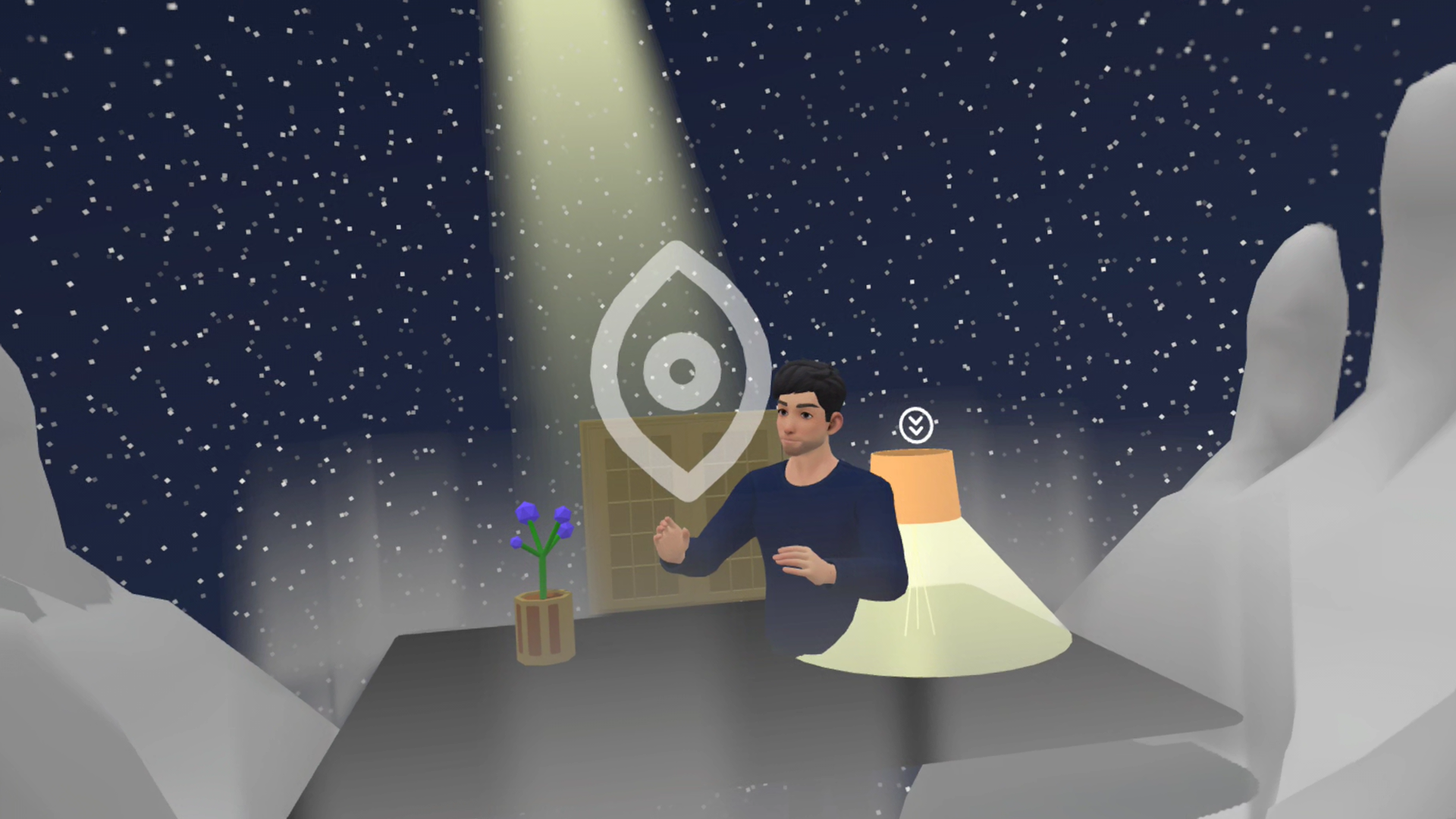
Space Bar by Cadden Wu, Mihir Bhagatwala


%201.png)


